Body Contouring in Michigan for Women Seeking Confidence
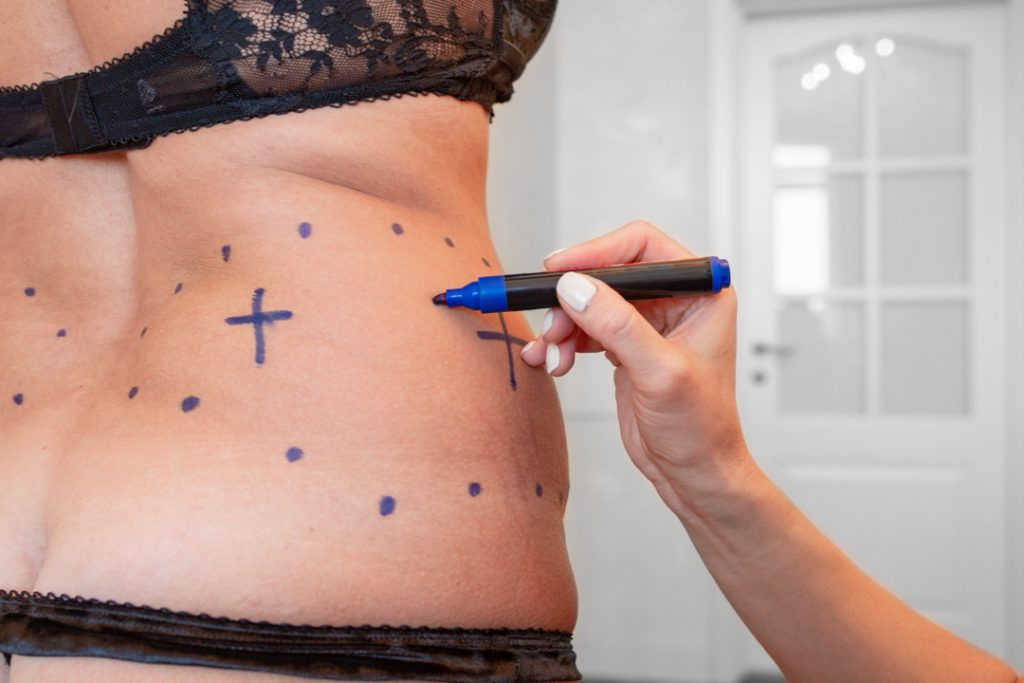


Confidence rarely arrives all at once. For many women, it returns in pieces, after a pregnancy, after major weight loss, after years of putting everyone else first, or after realizing that eating well and exercising consistently still do not change certain areas of the body. That is where body contouring enters the conversation, not as a shortcut or a vanity project, but as a practical option for women who want their outward shape to better match how strong and capable they already feel.
Body Contouring in Michigan has become a meaningful choice for women across a wide range of ages and life stages. Some are in their thirties and trying to address stretched abdominal skin after childbirth. Others are in their fifties or sixties and want to correct long-standing concerns around the arms, waist, thighs, or lower abdomen. The common thread is not perfection. It is relief. Relief from clothes that never sit quite right, from loose skin that causes discomfort, and from the frustration of doing everything “right” and still feeling disconnected from your body.
The best conversations around body contouring are honest ones. They include excitement, but they also include trade-offs, timelines, scars, recovery limits, budget considerations, and the emotional side of choosing surgery or non-surgical treatment. Women deserve that level of clarity before making a decision.
Why body contouring feels different from weight loss
Weight loss changes the number on the scale. Body contouring changes shape, proportion, and in some cases comfort. Those are not the same thing.
A woman may lose 60 pounds and still see hanging skin at the lower abdomen. Another may maintain a stable, healthy weight for years and still carry stubborn fullness at the flanks or under the chin. A third may be very fit but struggle with skin laxity on the upper arms that no amount of strength training can tighten. These are the concerns body contouring is designed to address.
That distinction matters because it sets realistic expectations. Body contouring is not a replacement for healthy habits. It is often the finishing step after those habits are already in place. In practice, the women happiest with their results tend to be those who are close to their goal weight, have stable routines, and want improvement in contour rather than a total reinvention.
In Michigan, that point often comes after a long winter of layered clothing and postponement. Many women book consultations when the weather starts to warm and they begin thinking about summer events, travel, or simply feeling more comfortable in lighter clothing. Seasonality is real, but it should not rush the decision. Recovery and readiness matter more than the calendar.
What body contouring can include
Body Contouring is not one procedure. It is a broad category that includes both surgical and non-surgical treatments aimed at refining the body’s silhouette. The right option depends on what is bothering you most, how significant the issue is, and how much downtime you can realistically manage.
For some women, liposuction is enough. It can remove localized fat deposits from areas like the abdomen, waist, thighs, back, or arms when the skin has enough elasticity to contract afterward. For others, skin laxity is the bigger problem, and fat removal alone would not produce a satisfying result. In that case, surgery such as a tummy tuck, arm lift, thigh lift, or lower body lift may be more appropriate.
A common example is the woman who says, “I do not mind a little softness, I mind the overhang.” That wording tells you something important. If excess skin is the complaint, a treatment that only targets fat is unlikely to solve it. Another example is the patient with a slim frame but a persistent pocket of fullness at the outer thighs or below the bra line. She may do very well with liposuction because her skin quality is good and the issue is isolated.
Non-surgical body contouring also has a place. Treatments that use cooling, radiofrequency, ultrasound, or similar technologies can create modest improvement in carefully selected patients. They tend to work best for women with mild fat pockets or early skin laxity who want subtle changes and little to no downtime. What they cannot do is match the dramatic reshaping possible with surgery, especially after pregnancies or major weight loss.
That is often the first hard truth in a consultation. If someone has loose skin and separated abdominal muscles after two or three pregnancies, a device treatment may sound appealing, but it will probably underdeliver. A good provider says that plainly.
Common reasons women in Michigan seek treatment
Women pursue Body Contouring in Michigan for highly personal reasons, though several patterns come up again and again in real consultations.
- Pregnancy-related changes, especially loose abdominal skin and weakened muscles
- Major weight loss that leaves excess skin at the abdomen, thighs, breasts, or arms
- Stubborn fat deposits that persist despite steady diet and exercise
- Age-related skin laxity that changes body shape even without major weight change
- Physical discomfort, such as chafing, skin irritation, or difficulty with clothing fit
What stands out is how often the motivation is functional as much as cosmetic. A woman with loose lower abdominal skin may have trouble with fitted pants, exercise, or irritation in warm weather. Someone with excess upper arm skin may stop wearing sleeveless tops, but she may also feel self-conscious in professional settings where she wants to appear polished and put together. These concerns affect daily life more than outsiders sometimes realize.
Surgical options and where each one fits
A tummy tuck remains one of the most transformative procedures for women who have had children or lost substantial weight. It can address excess lower abdominal skin, tighten separated abdominal muscles, and refine the waistline. Liposuction is often added to improve contour around the flanks or upper abdomen, but the foundation of the result comes from removing skin and repairing the abdominal wall when needed.
Liposuction on its own works best when skin elasticity is still relatively strong. It can be very effective in the abdomen, waist, back, thighs, knees, and under the chin. The caveat is simple, but important: liposuction removes fat, not loose skin. If the skin is already significantly lax, removing volume without tightening the envelope can leave the area looking deflated rather than sculpted.
An arm lift can make a substantial difference for women bothered by hanging upper arm skin, particularly after weight loss or with age-related laxity. The trade-off is a visible scar along the inner arm. Some women accept that immediately because they are more troubled by the excess skin than the scar. Others decide they would rather avoid the scar and live with the laxity. There is no universal right answer, only the answer that aligns with your priorities.
A thigh lift can help when loose skin on the inner thighs rubs, pulls, or limits clothing choices. It is less commonly discussed in casual conversation, but it can be life-changing for the right patient. Lower body lifts, which address the abdomen, outer thighs, and buttock area after major weight loss, are larger operations with longer recovery, yet they can restore proportion in a way no minor treatment can match.
Combination surgery is common, but should be planned carefully. A “mommy makeover” may include a tummy tuck, liposuction, and breast surgery during one operative session. For the right candidate, that can be efficient and appealing. For others, staging procedures is safer or more manageable from a recovery standpoint. The best plan depends on health status, surgical time, family responsibilities, and the extent of correction needed.
The Michigan factor: climate, lifestyle, and recovery realities
Michigan adds a few practical considerations that are easy to overlook until you are actually planning treatment.
Recovery after surgery is often easier when you can stay out of heat and humidity. Cooler months can be comfortable for compression garments and layered clothing, which is one reason many women choose fall, winter, or early spring for surgery. That said, icy sidewalks, snow, and long drives to follow-up appointments can complicate recovery during the heart of winter. If you live in a rural area and your surgeon is in Ann Arbor, Grand Rapids, Troy, or the Detroit metro, weather and travel support matter.
Summer offers more mobility and easier transportation, but swelling can feel more noticeable in warm weather, and social calendars tend to be fuller. If your recovery will require lifting restrictions, pool avoidance, and several quiet weeks at home, timing around vacations and school schedules becomes important.
Michigan women also tend to be practical planners. They ask smart questions about how long they will be off work, when they can drive, when they can get back to workouts, and whether they can care for children during recovery. Those are exactly the right questions. Cosmetic results matter, but daily logistics often determine whether the experience feels manageable or overwhelming.
What a strong consultation should cover
The consultation should feel less like a sales pitch and more like a working session. You should leave with a clear sense of what is possible, what is not, and why.
A careful surgeon will examine skin quality, fat distribution, muscle laxity, scars, medical history, and weight stability. They will ask about pregnancies, prior abdominal surgery, nicotine use, medications, and your timeline. They should also ask what bothers you most, because your answer may reveal whether you need volume reduction, skin tightening, muscle repair, or some combination of the three.
This is also the moment to talk honestly about expectations. “I want my old body back” is emotionally understandable, but it is not a precise surgical goal. Better language leads to better planning. Saying “I want my lower abdomen flatter in fitted clothes” or “I want to get rid of the skin rubbing https://waylonoslv003.raidersfanteamshop.com/body-contouring-in-michigan-planning-your-treatment-journey under my arms” gives the surgeon something actionable to address.
You should also expect direct discussion about scars. In body contouring surgery, scars are often the price of removing excess skin. Skilled surgeons place them thoughtfully, but they do not disappear. Women who go into surgery understanding that trade usually cope much better than women who focus only on the potential aesthetic improvement.
Red flags and green lights when choosing a provider
Choosing a surgeon is where confidence should be backed by discipline. Before-and-after photos matter, but they are not enough on their own. You want consistency, not one or two standout results.
Look for a provider who explains why a recommendation fits your anatomy instead of steering every patient toward the same package. The tone of the conversation matters too. If your concerns are minimized, if risks are brushed aside, or if financing is discussed in greater detail than candidacy, step back. On the other hand, if the surgeon talks openly about limitations, recovery, and scar placement while still helping you feel understood, that is usually a good sign.
A few practical checkpoints help:
- Ask whether your weight should be stable before treatment, and for how long
- Review before-and-after photos of patients with a body type similar to yours
- Clarify who handles after-hours concerns and how follow-up care is structured
- Discuss scar location, compression garments, and realistic return-to-work timing
- Make sure you understand whether your plan is surgical, non-surgical, or staged over time
That kind of detail protects patients from disappointment. It also tends to separate serious practices from those built around urgency and marketing.
Recovery is where expectations become real
Many women spend months thinking about results and only a few minutes thinking about recovery. That is backwards. The recovery period shapes the entire experience.
After liposuction alone, soreness, swelling, bruising, and compression are standard. Many women return to desk work within several days to a week, depending on the extent of treatment. More physically demanding jobs take longer. Swelling can persist for weeks, sometimes longer, and the final shape evolves gradually.
A tummy tuck is a different category of recovery. Expect a tighter, more restricted feeling in the abdomen, temporary limitations in standing fully upright, and a stronger need for household support. If you have small children, you will need help because lifting restrictions are real. Most women underestimate how much assistance they need in the first week, especially if they are used to running the home without pause.
Drains may be part of the process, though techniques vary. Compression garments are common. Walking starts early, but hard exercise waits. If your job is sedentary, you may be back in a couple of weeks, though many women prefer more time. If your work is physical, recovery may need to be longer. That does not make surgery unworkable, but it does require honest planning.
There is also an emotional rhythm to recovery. The first days can be a blur of fatigue and swelling. The second week may feel better physically, but not look better yet. Then there is the awkward stretch where your body is changing, your clothes fit differently, and you are still learning the new outline. Most patients feel a major boost once swelling settles and normal routines resume, but the in-between stage is worth anticipating.
Cost, value, and the mistake of comparing only by price
Cost comes up early for good reason. Body contouring is a significant investment, and insurance usually does not cover cosmetic procedures, though there are occasional exceptions for medically indicated skin removal after major weight loss. Pricing varies based on the procedure, surgeon experience, facility fees, anesthesia, garments, and whether multiple areas are treated.
What often gets missed is the difference between cost and value. A lower quote may reflect a simpler facility setup, less comprehensive aftercare, or a plan that does not actually address the problem you want solved. Paying less for liposuction when you really need skin removal is not a bargain. It is a detour.
Value shows up in planning, safety, and fit. It shows up in a result that makes sense for your anatomy and a recovery process with adequate support. Most women would rather wait, save, and do the right procedure once than spend money on a partial fix that leaves them disappointed.
Who tends to be happiest with their results
The happiest patients are usually not the ones chasing flawlessness. They are the women who understand what bothers them, choose a treatment that directly addresses it, and accept the trade-offs without pretending they do not exist.
A woman who says, “If I can button pants comfortably and stop hiding under loose tops, I will be thrilled,” often ends up delighted. So does the woman who says, “I know I will have a scar, but I want the hanging skin gone.” Their expectations are grounded in lived reality.
Less satisfied patients often fall into one of two groups. The first group expects a surgery designed for contour to solve broader issues with body image or self-esteem. The second chooses a less invasive treatment hoping to avoid scars or downtime, even when their anatomy points toward surgery as the better answer. Neither group is wrong to want what they want, but mismatched expectations create disappointment.
Confidence after contouring is usually quieter than people expect
The word confidence can sound dramatic, but the change is often subtle and deeply personal. It may be wearing a dress without tugging at it. It may be going to the gym without thinking about loose skin. It may be packing for a trip without planning outfits around camouflage. It may be standing straighter because your core was repaired and your clothes fit as intended.
That kind of confidence does not usually arrive with fireworks. It arrives in ordinary moments, when the body stops feeling like a problem to manage.
For women considering Body Contouring in Michigan, the most useful mindset is simple: seek accuracy, not fantasy. Know what you want to change, know which treatments can actually change it, and choose a provider who respects both your goals and your limits. Done thoughtfully, body contouring can be less about becoming someone new and more about feeling at ease in the body you have worked hard to care for.