Liposuction Michigan for First-Time Cosmetic Surgery Patients
For many first-time cosmetic surgery patients, liposuction sounds simpler than it is. The name is familiar, the before-and-after photos can look dramatic, and friends often describe it as a quick fix for a stubborn area that never responded to diet or exercise. Then the consultation happens, and the real questions begin. What exactly can liposuction change? What does recovery actually feel like? How much does surgeon judgment matter? If you are researching Liposuction Michigan options for the first time, those questions are the right place to start.
Liposuction is one of the most established body contouring procedures in cosmetic surgery, but it still gets misunderstood. It is not a weight-loss operation. It is not a substitute for fitness. It is also not the same thing as skin tightening, which matters more than many patients realize. At its best, liposuction refines shape by removing localized fat deposits from areas like the abdomen, flanks, thighs, upper arms, back, neck, or under the chin. The difference can be significant, but the quality of the result depends on far more than simply taking fat out.
First-time patients in Michigan often come in with a practical mindset. They want a realistic recovery timeline because they have jobs, children, travel plans, or winter weather to work around. They want to know whether surgery makes sense before or after reaching a goal weight. They want to know how visible garments will be under work clothes. Those concerns are valid, and they tend to matter much more in real life than glossy marketing language.
What liposuction actually does well
The best candidates for liposuction usually have one thing in common: their weight is relatively stable, but a specific area or two does not match the rest of their body. That could be a lower abdomen that stays full even after pregnancy, flanks that soften the waistline despite regular exercise, or inner thighs that create friction and make clothing fit awkwardly. In men, the concern is often the abdomen, chest, or love handles. In women, it is often the waist, lower belly, thighs, arms, or bra-line fullness.
When surgeons evaluate these areas, they are not just looking at fat volume. They are looking at proportion, skin quality, muscle tone, and asymmetry. Two patients can have the same amount of excess fat and need completely different plans. One may be an excellent candidate for liposuction alone. The other may need liposuction plus a skin-tightening procedure, or may be better served by waiting until after further weight loss. That is why a careful consultation matters more than many first-time patients expect.
A common example is the lower abdomen. Someone in their early thirties with good skin elasticity may see a sharp improvement with liposuction alone. Someone in their late forties who has had several pregnancies and significant weight fluctuations may remove the same amount of fat but still feel disappointed if loose skin remains. The fat can be gone and the contour still not look smooth. That is not a surgical failure. It is a mismatch between the procedure and the tissue.
This is where experienced judgment shows. Good surgeons spend a surprising amount of time telling patients what liposuction will not do.
Why first-time patients in Michigan often ask different questions
Cosmetic surgery decisions are shaped by geography more than people think. Patients considering Liposuction Michigan procedures often bring up seasonality, downtime around school schedules, and clothing choices during recovery. Those details affect planning.
Michigan winters, for example, can make recovery easier in one sense and harder in another. Compression garments are easier to hide under sweaters, layered clothing, and looser winter outfits. On the other hand, icy driveways, heavy coats, and the simple awkwardness of moving carefully after surgery can make early recovery less convenient. Summer brings the opposite trade-off. Getting around is easier, but many patients are less thrilled about wearing compression garments in heat and humidity.
Timing also matters if you live in a place where social calendars shift sharply by season. Some patients book surgery in late fall or winter because they want to be fully healed by spring vacations or summer lake weekends. Others prefer early spring so they can recover before children are out of school. There is no universal right answer, but the right timing is often more personal and logistical than medical.
The consultation is where expectations get tested
A worthwhile consultation should feel less like a sales conversation and more like a planning session. You should leave with a clearer understanding of what can improve, what probably will not, and what trade-offs come with each option.
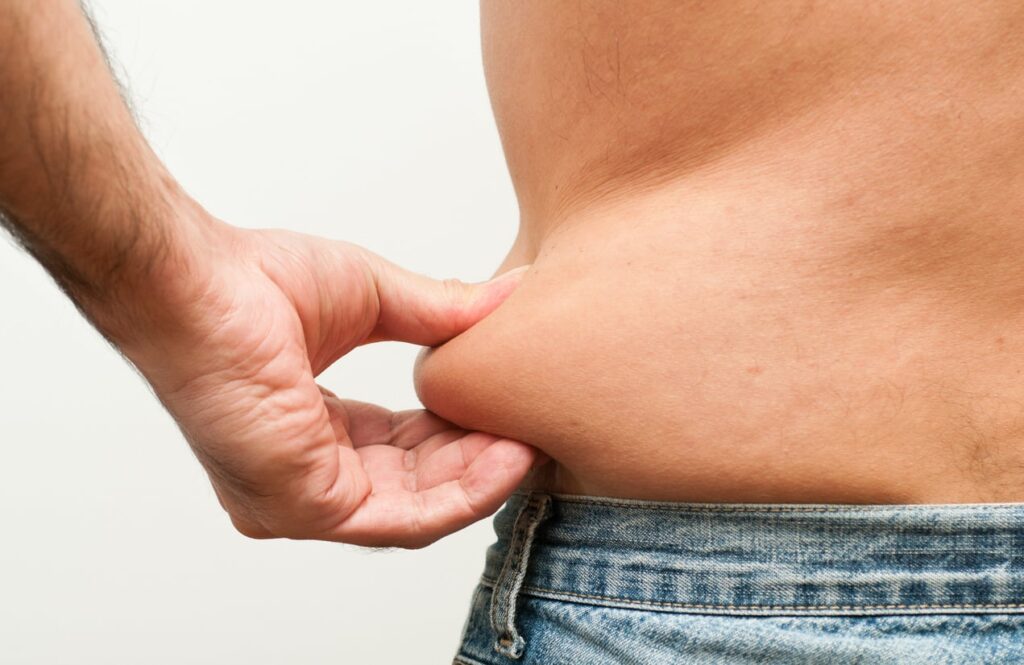
One of the most useful parts of an in-person exam is the skin assessment. Surgeons often pinch the skin, observe how it recoils, and assess whether there is underlying laxity or muscular separation. This can be difficult for patients to self-evaluate. People usually focus on what they can grab between their fingers and assume it is all fat. Sometimes it is. Often it is a combination of fat, loose skin, and deeper abdominal changes.
You should also expect a discussion about symmetry. Bodies are naturally asymmetrical. One hip may be slightly fuller. One side of the abdomen may project more. One thigh may carry fat differently than the other. Liposuction can improve contour, but it rarely creates perfect mirror-image symmetry. Surgeons who acknowledge that upfront are usually doing you a favor.
For first-time patients, it also helps to know that the consultation should cover more than the target area. A good surgeon thinks in transitions. If too much fat is removed in one zone without considering the areas around it, the result can look artificial. The best contouring work is often subtle in photos and striking in person because it preserves natural flow.
Choosing the right candidate matters as much as choosing the right surgeon
Not everyone who wants liposuction should have it right now. That is not gatekeeping, it is clinical judgment. Some patients need to wait because they are still actively losing weight. Others should postpone because they are planning pregnancy, have uncontrolled medical conditions, or are not in the right position to recover safely.
These are often the signs that someone is a strong candidate:
- Their weight has been fairly stable for several months.
- They have a localized fat concern rather than generalized obesity.
- Their skin has reasonable elasticity.
- They understand that liposuction shapes the body, not the scale.
- They can commit to recovery, including garments, limited activity, and follow-up.
A patient can be healthy, motivated, and still not be the right candidate for liposuction alone. That distinction matters. In practice, some of the happiest patients are not the ones who push hardest for surgery. They are the ones who listen when a surgeon says, "This will help this much, not that much."
Areas commonly treated, and how results can differ
The abdomen and flanks remain the most requested combination for a reason. Removing excess fat from the waistline can change how nearly every pair of pants and dresses fit. It is often less about dropping sizes than improving shape. Patients describe this as feeling more "put together" even when their weight does not change much.
The thighs are more nuanced. Outer thigh liposuction can refine the silhouette, but over-resection can look hollow. Inner thigh liposuction can reduce rubbing and improve clothing fit, yet this area is prone to irregularity if skin elasticity is weak. Arms can respond beautifully in well-selected patients, particularly when there is moderate fullness and decent tone. Under the chin can create an outsized visual improvement because even a small reduction there changes profile, jawline definition, and how a person looks on video calls or in candid photos.
Back and bra-line liposuction often surprises patients. It is not always the first area they mention, but when treated thoughtfully, it can make fitted tops and dresses sit more smoothly. Men frequently ask about the chest and abdomen. With male chest contouring, it is important to determine whether the fullness is fatty, glandular, or both, because classic liposuction alone may not address true gland tissue adequately.
The recovery period, without the sugarcoating
Most surgeons describe liposuction as manageable, and for many patients it is, but that word can hide a lot. Recovery is usually less about sharp pain and more about soreness, swelling, stiffness, drainage, and fatigue. Patients often compare the feeling to an intense workout layered with bruising.
The first several days are the least glamorous. Compression garments can feel snug and awkward. Getting in and out of bed may take more effort than expected. If multiple areas were treated, you may move slowly for a while. Some fluid drainage from incision sites is common early on, depending on the technique used. Bruising varies widely. Some patients have modest discoloration. Others look dramatic for a couple of weeks and feel fine before they look fine.
Swelling also tests patience. This is one of the biggest disconnects for first-time cosmetic surgery patients. They expect to see the final result quickly because fat was removed in one procedure. In reality, your body needs time to settle. Early improvements are often visible, but final definition develops gradually. A person may feel slimmer in clothing within weeks and still have contour changes occurring for months.
Most people can return to desk work in a matter of days to about a week, depending on the extent of treatment and their pain tolerance. More physical jobs may require longer. Exercise is reintroduced in phases. Walking starts early because circulation matters, but hard workouts usually wait until your surgeon clears you.
Compression garments are not a minor detail
Liposuction MichiganPatients often spend more time comparing surgical fees than thinking about compression, but garments shape the recovery experience. They help manage swelling, support tissues as they heal, and can improve comfort when fitted correctly. Poorly fitted garments can create creases, dig into the skin, or become so irritating that patients wear them inconsistently.
In Michigan, practical clothing planning helps. If you are having surgery during colder months, looser pants, zip-front tops, and slip-on shoes make life easier. If you are scheduling in warmer weather, breathable fabrics and access to air conditioning matter more than patients expect. Small logistical choices make early recovery smoother.
Questions worth asking at your consultation
Not every patient knows what to ask in a first cosmetic surgery visit, and that is normal. A solid consultation should answer the basics without prompting, but a few questions help reveal how thoughtful the surgical plan really is.
- Am I a good candidate for liposuction alone, or would another procedure address my goals better?
- What result is realistic for my skin quality and body type?
- How much downtime should I truly plan for, given the areas being treated?
- What does swelling usually look like at two weeks, six weeks, and three months?
- If I gain or lose weight later, how might that affect the outcome?
These questions tend to produce better information than asking only how many liters of fat will be removed or how fast you can get back to the gym. Volume matters, but sculpting is not a contest.
Cost, value, and the temptation to shop by price alone
Cost varies based on the number of areas treated, facility fees, anesthesia, geographic market, and surgeon experience. In Michigan, as in most places, the range can be broad. A small under-chin case is different from circumferential body contouring. Anyone giving a one-size-fits-all quote before an exam is probably oversimplifying the issue.
First-time patients are often surprised by what they are really paying for. They are not just paying for time in the operating room. They are paying for judgment, planning, operative skill, sterile accredited facilities, anesthesia support, post-operative care, and the ability to manage complications if they arise. That last point matters more than many consumers appreciate. Cosmetic surgery is often marketed with retail-style language, but surgery is still surgery.
The cheapest quote can become the most expensive mistake if it leads to contour irregularities, poor scar placement, inadequate follow-up, or revision surgery. At the same time, the highest fee does not guarantee the best result. Value comes from fit: the right surgeon for your anatomy, goals, and risk profile.
Risks that deserve plain language
Liposuction has a strong safety profile when performed on appropriate candidates in proper settings, but it is not risk-free. Every first-time patient should hear that in direct terms. Risks can include contour irregularities, asymmetry, prolonged swelling, seroma, numbness, changes in sensation, pigmentation changes, poor scarring at incision sites, infection, and anesthesia-related complications. Rare but serious complications do exist.
Some of the most common disappointments are not dangerous, but they are emotionally significant. A patient may heal with a small area of firmness that softens slowly over time. Another may develop unevenness that becomes visible only in certain lighting or positions. Someone else may be technically improved yet still not have the smoothness they imagined because skin elasticity was limited from the start.
This is why honest pre-operative counseling matters. Surgery can improve the body you have. It does not give you someone else's tissue quality.
Life after liposuction, and what results really depend on
Fat cells removed during liposuction are gone, but that does not mean your body becomes immune to future weight gain. Remaining fat cells can still enlarge. If your weight rises significantly after surgery, the contour can change. Patients sometimes misunderstand this and think liposuction "didn't last" when what really happened is that their body changed after the procedure.
The best long-term results usually come from patients who were already living in a relatively steady way before surgery. They eat reasonably well, move regularly, and use the procedure to refine shape rather than solve a larger struggle with weight. In that setting, liposuction can feel durable and satisfying for years.
There is also a psychological side to the outcome that does not get discussed enough. Many patients feel relief when clothing fits more predictably or when one persistent problem area no longer dominates how they see themselves. Others need time to adjust because Liposuction Michigan swelling, temporary asymmetry, and slow healing can create emotional ups and downs. That does not mean something is wrong. It means cosmetic surgery recovery is physical and mental.
How to approach your decision if you are still unsure
If you are considering Liposuction Michigan providers for the first time, give yourself room to think. You do not need to move from online research to surgery date in one leap. A thoughtful path often includes more than one consultation, a review of before-and-after photos featuring body types similar to yours, and a frank conversation about what would make the procedure worth it for you.
Try to define success in practical terms. Maybe it is a flatter lower abdomen in fitted clothing. Maybe it is a cleaner jawline in profile. Maybe it is reducing flank fullness so jackets and dresses sit better. Narrow goals are often healthier than fantasy goals. They also make it easier for a surgeon to tell you whether liposuction is the right tool.
If you leave a consultation feeling rushed, overly sold to, or vaguely reassured without clear explanations, keep looking. First-time patients do best when they work with someone who is comfortable being precise. Precision in communication usually reflects precision in planning.
Liposuction can be a very rewarding procedure for the right patient. It is not magic, and it is not trivial. It is body contouring, not body transformation in the broadest sense. For first-time cosmetic surgery patients, especially those navigating the many choices involved in Liposuction Michigan practices and providers, the smartest move is to look past the promise of quick change and focus on fit: your anatomy, your expectations, your schedule, your tolerance for recovery, and your surgeon's ability to be honest about all of it. That is where good outcomes usually begin.
Aesthetic Plastic Surgery & Laser Center, Michelle Hardaway M.D.
27920 Orchard Lake Rd, Farmington Hills, MI 48334, United States
+1 248-221-1957
FAQ About Liposuction Michigan
Is 55 too old for liposuction?
Age 55 alone does not determine suitability. A surgeon evaluates overall health, skin quality, healing risks, and realistic goals. A personal consultation is needed to assess candidacy and discuss alternatives.
What happens 10 years after liposuction?
Contour improvements can last, especially with stable weight. Aging, pregnancy, and weight changes can alter the appearance over time. Results vary, and liposuction does not prevent future body changes.
Can lipo get rid of an apron belly?
Liposuction reduces localized fat but does not remove hanging excess skin. An apron belly may require assessment for a skin-removal procedure instead of, or alongside, fat removal. A qualified plastic surgeon can explain appropriate options and their risks.