What to Wear After Liposuction in Michigan
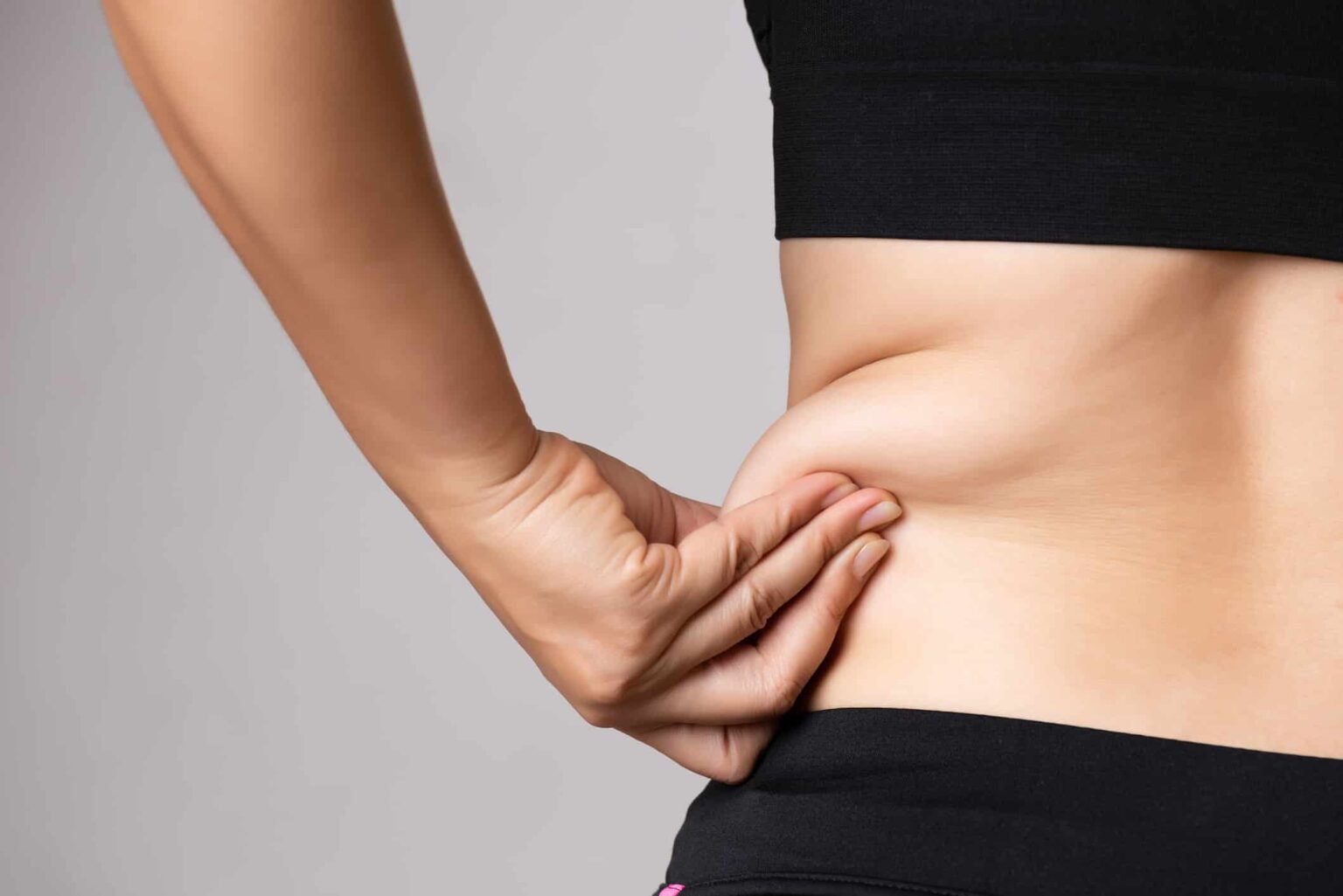
What you wear after liposuction affects more than comfort. It can influence swelling, skin support, how easily you move around the house, how often you irritate incision sites, and whether you spend the first week feeling settled or frustrated. Patients often focus on the surgery itself, then realize the practical side matters just as much once they get home. The right clothing makes getting in and out of bed easier, helps you manage compression garments without a struggle, and spares tender areas from unnecessary rubbing.
That matters anywhere, but it matters even more in Michigan. Recovery in Ann Arbor or Grand Rapids in January looks very different from recovery in Birmingham or Detroit in July. Cold air, heavy outerwear, dry indoor heat, snow boots, humid summers, and long drives to follow-up appointments all change what feels manageable. If you are planning liposuction in Michigan, the smartest wardrobe is one built around healing first and style second, at least for the opening stretch.
The short version is simple. Choose clothes that are soft, loose where they need to be loose, easy to put on without bending or twisting, and compatible with whatever compression your surgeon recommends. The details, though, make the difference.
The first rule: dress for compression, not for appearance
Most patients wear some form of compression garment after liposuction. The exact style depends on the treatment area and the surgeon’s protocol. Abdomen, flanks, back, thighs, arms, chin, and knees all create different needs. Some garments are full-body with zippers or hooks. Others are high-waisted shorts, abdominal binders, arm sleeves, or chin straps. What you wear over them should cooperate with that setup.
In the first several days, your body is usually swollen, sore, and less flexible than expected. Even very fit patients are surprised by how awkward it feels to pull on snug leggings or step into fitted jeans. Fabric pressure in the wrong place can feel sharp rather than supportive. Seams that never bothered you before can suddenly become all you think about.
This is why post-op clothing should be judged by function. If a shirt catches on a drain tube, if pants pinch the waistband of a compression garment, or if you need ten minutes and a full-body wrestling match to get dressed, it is the wrong choice for recovery. For the first phase, you want clothes that let you move around the compression, not fight against it.
What feels best in the first week
Right after surgery, the most useful pieces are often the least glamorous. Think front-opening tops, roomy sweatpants, zip hoodies, oversized button-down shirts, soft robes, loose boxer-style shorts, and slide-on shoes. Patients who prepare these in advance usually have a much smoother first few days than those who assume any old loungewear will work.
A front-zip sweatshirt, for example, is far easier than a fitted pullover if your abdomen, back, or arms are sore. If you had liposuction of the upper arms, even lifting your elbows to remove a T-shirt can be irritating. If your procedure involved the abdomen or flanks, stiff waistbands can become the enemy by day two. If the inner thighs were treated, narrow pant legs can rub every step.
The fabrics matter too. Cotton blends, modal, bamboo, and washed fleece tend to be gentle. Thick, scratchy interiors, compressive athletic materials, or anything with firm elastic bands often feel worse than patients expect. Recovery is one of those times when a pair of old, soft sweatpants can outperform expensive activewear.
Here are the items that tend to earn their keep early:
- Front-opening tops such as button-down shirts, zip hoodies, or cardigans
- Loose, high-rise pants or shorts with a very soft waistband
- Compression-compatible underlayers approved by your surgeon
- Slip-on shoes with traction, especially for winter recovery in Michigan
- Extra garments in case of drainage, staining, or swelling changes
That last point is worth emphasizing. It is common to have some fluid drainage from small incision sites in the first day or two, depending on technique and aftercare instructions. Even when patients know this intellectually, they are often surprised by how helpful it is to have dark-colored, washable clothing and extra bedding protection ready to go.
Why Michigan weather changes the answer
A patient recovering from liposuction in Florida can often throw on a loose dress and sandals and call it a day. Michigan is less forgiving. Weather can turn practical clothing into a challenge very quickly.
In winter, the problem is not just cold. It is bulk. Heavy coats, fitted thermal layers, and tall boots can be difficult to manage when you are swollen or moving slowly. If your procedure involved the abdomen, twisting to get into a parka may be more uncomfortable than the outdoor walk itself. If your thighs were treated, squeezing into jeans plus insulated leggings can feel impossible.
The best cold-weather strategy is light, easy layers. Instead of one stiff coat, choose a roomy puffer or oversized wool coat that goes on without force. Instead of narrow winter boots, wear insulated slip-ons or roomy ankle boots if it is safe to do so. If you need help getting to the car, plan for it. Pride is less useful than balance on icy pavement.
Summer has its own problems. Compression garments trap heat. Patients who recover in humid weather often underestimate how warm they will feel, especially if multiple areas were treated. Breathable overshirts, loose cotton dresses worn over lower-body compression, airy joggers, and moisture-wicking but non-restrictive fabrics tend to work well. In hot weather, the question is not only what looks cool, but what reduces sweat buildup around healing skin.
Spring and fall in Michigan can be deceptively tricky because temperatures swing. Many patients do best with layers they can remove without lifting the arms overhead or twisting the torso. A soft tank, compression garment, and oversized zip layer gives flexibility when the morning is chilly and the afternoon is mild.
Dressing by treatment area
The body area treated changes the wardrobe more than most people realize. General advice helps, but area-specific adjustments are where recovery often gets easier.
If your abdomen or flanks were treated
This is the most common scenario where patients regret owning only fitted waistbands. Compression around the midsection can make regular pants sit awkwardly. Anything that cuts across the lower abdomen, especially low-rise leggings, can create pressure points or bunch against the garment underneath.
High-rise, very soft joggers usually work better than pajamas with tight elastic. Some patients prefer loose dresses or extra-long tunics if they do not need to go out much. If you are heading to a follow-up appointment, a zip-front dress or roomy matching set can be easier than pants.
One practical detail that rarely gets discussed enough is bathroom access. If your post-op garment has hooks, a crotch opening, or multiple closures, the clothing on top should be simple to remove. This sounds obvious until someone is tired, swollen, and trying to coordinate three layers in a clinic restroom.
If your thighs were treated
Inner thigh liposuction changes how fabric feels during walking. Pants that seemed loose before surgery may now rub in a way that becomes irritating after ten minutes. Patients often do well with wide-leg lounge pants, soft shorts with minimal inner seam bulk, or loose dresses over compression shorts. If your surgeon wants continuous compression, make sure the outer layer does not cause friction on top of it.
Getting in and out of cars can also be more uncomfortable after thigh treatment, particularly if seats are low. Stretchy, forgiving fabrics help because they move with you instead of resisting every position change.
If your arms were treated
After arm liposuction, sleeves can become the issue. Narrow or structured sleeves may catch on swelling or compress in the wrong place. Tops with roomy armholes and open fronts are ideal. Pullovers are not automatically off-limits, but many patients are happier with them later rather than immediately after surgery.
A detail from real-life recovery: washing your hands, brushing your hair, and reaching for kitchen items often reveal soreness before dressing does. If simple overhead motions feel tender, choose clothes that let your elbows stay close to your body while dressing.
If your chin or neck were treated
Facial or neck liposuction often requires a chin strap or facial compression wrap. Patients sometimes focus on the garment itself and forget that shirt necklines suddenly matter. Tight crewnecks can be annoying to pull over the face and may disturb the wrap. Wide neck tops, button-downs, quarter-zips, and zip hoodies are easier.
Michigan winters add another consideration here. Scarves can feel cozy, but thick wraps around the neck may bunch against the chin strap. If you need warmth outdoors, a coat zipped high without pressing directly on the surgical area is often more comfortable than a bulky scarf.
The hidden problem with “supportive” clothing
Patients often assume that athletic wear is a good choice because it feels supportive. After liposuction, that logic can backfire. Compression garments are designed with a specific purpose. Adding tight leggings, shapewear, compression tops, or snug bike shorts over them can create uneven pressure. That may be uncomfortable, and in some cases it may not align with your surgeon’s plan.
Supportive is only helpful when it is controlled, appropriate, and placed correctly. A post-op garment from your surgical team is not interchangeable with your favorite gym leggings. One is meant for healing. The other is meant for exercise or body contouring in everyday life.
This is especially relevant for patients searching online for Liposuction Michigan advice and coming across generic recovery tips. Regional planning matters, but surgeon-specific guidance matters more. If your doctor has given instructions about where garments should sit, how long to wear them, or when to switch stages, that should override broad internet advice every time.
What not to wear when you are sore, swollen, and tired
Most recovery wardrobe mistakes come from impatience. By day four or five, many patients feel mentally ready to resume normal life before their body is ready for normal clothes. That is usually when someone tries to put on denim, shapewear, or a favorite fitted outfit and regrets it by lunchtime.
Avoid these choices early on unless your surgeon specifically says otherwise:
- Tight jeans or pants with rigid waistbands
- Pullovers that require aggressive overhead movement
- High-compression workout wear layered over medical compression
- Shoes that need bending, tying, or balancing on one foot
- Rough fabrics or heavy seams that sit on incision areas
There is no award for getting back into “real clothes” first. The best timeline is the one that lets swelling settle and movement return without aggravation.
Leaving the house for follow-up visits
Clinic visits sound simple until you are the one getting dressed with sore tissues and limited patience. The best appointment outfit is the one that comes off and goes back on easily in an exam room. If the surgeon needs to examine treated areas, avoid complicated layers, tight one-piece outfits, or anything that takes effort to remove.
For lower-body treatment, many patients do well with loose joggers and a front-opening top. For upper-body treatment, simple pants or shorts with a zip jacket often work best. If your compression garment has multiple closures, practice opening and closing it at home before your first appointment. That small bit of rehearsal can save a surprising amount of stress.
If you are recovering during a Michigan winter, do not forget the transition from house to car to office. Ice, slush, and parking lot walks matter. Choose shoes with grip, not just convenience. A patient can feel steady indoors and then realize the driveway is a different situation entirely.
Sleepwear deserves more thought than most people give it
Nighttime is when clothing choices either help or annoy you for hours. After liposuction, sleep can already be interrupted by soreness, swelling, drains, restricted positioning, or the simple novelty of sleeping in compression. The wrong sleepwear adds to that.
The best sleep clothes are usually soft, breathable, and easy to shift in bed. If your surgeon recommends sleeping in a certain position or keeping treated areas Liposuction Michigan elevated, bulky pajamas can make that harder. For abdominal cases, a soft button-front sleep shirt or loose two-piece set often works well. For thigh treatment, smooth shorts or wide-leg sleep pants are usually better than clingy leggings.
Temperature control matters too. Michigan homes in winter often run dry and warm indoors. Patients wearing compression under thick pajamas sometimes overheat, then wake up uncomfortable. Lighter layers are usually easier to adjust than one heavy sleep set.
Washing, changing, and dealing with drainage
Post-op clothing gets more wear and more washing than people expect. It is smart to rotate simple pieces rather than relying on one or two favorite outfits. Dark colors or patterned fabrics are useful in the early phase if you are concerned about minor drainage or ointment marks. Towels on chairs, extra pillowcases, and mattress protection can also spare you a lot of unnecessary laundry stress.
If you are told to wear foam inserts, pads, or additional dressings under compression, account for extra bulk. Clothes that seem roomy before surgery may fit differently with dressings in place. This is one reason many experienced patients size up temporary recovery clothes rather than forcing their usual size to work.
When regular clothes start to feel normal again
There is no universal day when everyone returns to their old wardrobe. Swelling can fluctuate. Some people feel decent in looser everyday clothing within a week or two, while others need longer before fitted items become comfortable. The treated area matters, the amount of liposuction matters, and your surgeon’s aftercare plan matters.
A common pattern is this: the first week requires clear recovery clothes, the next couple of weeks allow more normal but still forgiving outfits, and only later do truly fitted garments feel worthwhile again. That timeline is not a failure. It is a normal part of healing.
Patients often ask when they can wear shapewear, dress pants, or jeans again. The honest answer is when both your surgeon and your body agree. Even if you can get something on, that does not mean you will want to stay in it for six hours. Use comfort and swelling response as your guide, alongside medical advice.
A few Michigan-specific shopping notes
If you are preparing for liposuction in Michigan, buy for the season you will recover in, not the season you wish it were. A lightweight robe may be enough in August, but not for a February walk from the house to the car. On the other hand, a thick fleece set over full compression in July can make you miserable.
Local recovery also tends to involve driving. Distances between home, surgery center, pharmacy, and follow-up office can be longer than expected, especially in suburban areas. Clothes for the ride home should not bind at the waist or behind the knees, and outerwear should be easy to open if you feel warm on the drive. Seat belts can press on tender areas, so soft layers between the belt and the body can help, as long as safety is not compromised.
For patients balancing privacy with comfort, oversized neutral layers work well. You do not need to advertise that you had a procedure, but you also do not need to squeeze into polished streetwear two days later. There is a middle ground, and it usually looks like clean, simple, relaxed clothing that lets you heal quietly.
The best recovery wardrobe is the one you do not have to think about
That is really the goal. After liposuction, especially in the first stretch, you want clothing that disappears into the background. It should not demand strength, flexibility, or constant adjustment. It should let you focus on walking a little, resting well, staying hydrated, and following instructions. When clothes do their job, recovery feels calmer.
For most patients, that means soft front-opening tops, forgiving bottoms, practical shoes, and an honest respect for swelling. In Michigan, it also means planning for temperature swings, winter footing, and the reality that medical compression is not always climate-friendly. If you build your post-op wardrobe around those facts, you give yourself a better chance at a smoother, less aggravating recovery.
And when in doubt, choose ease. The right outfit after liposuction is rarely the most flattering one in the closet. It is the one that lets healing happen with the fewest obstacles.
Aesthetic Plastic Surgery & Laser Center, Michelle Hardaway M.D.
27920 Orchard Lake Rd, Farmington Hills, MI 48334, United States
+1 248-221-1957
FAQ About Liposuction Michigan
Is 55 too old for liposuction?
Age 55 alone does not determine suitability. A surgeon evaluates overall health, skin quality, healing risks, and realistic goals. A personal consultation is needed to assess candidacy and discuss alternatives.
What happens 10 years after liposuction?
Contour improvements can last, especially with stable weight. Aging, pregnancy, and weight changes can alter the appearance over time. Results vary, and liposuction does not prevent future body changes.
Can lipo get rid of an apron belly?
Liposuction reduces localized fat but does not remove hanging excess skin. An apron belly may require assessment for a skin-removal procedure instead of, or alongside, fat removal. A qualified plastic surgeon can explain appropriate options and their risks.