Your Guide to Liposuction Farmington Hills for First-Time Patients
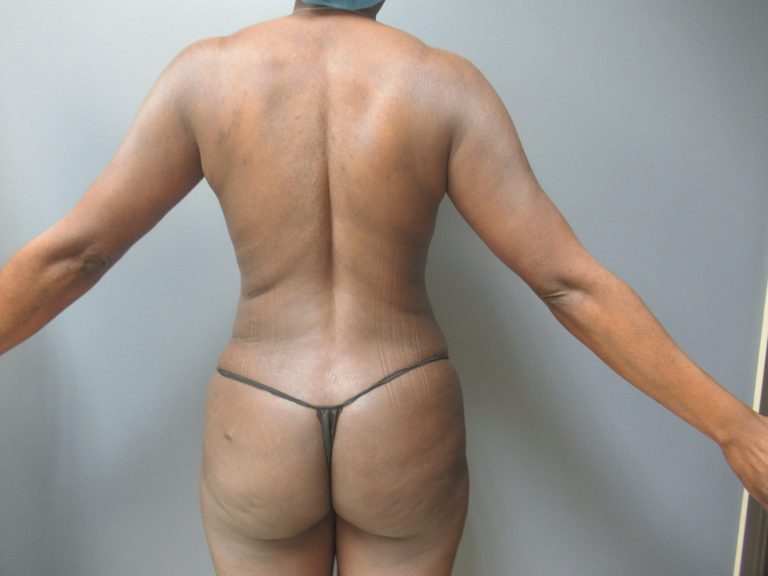
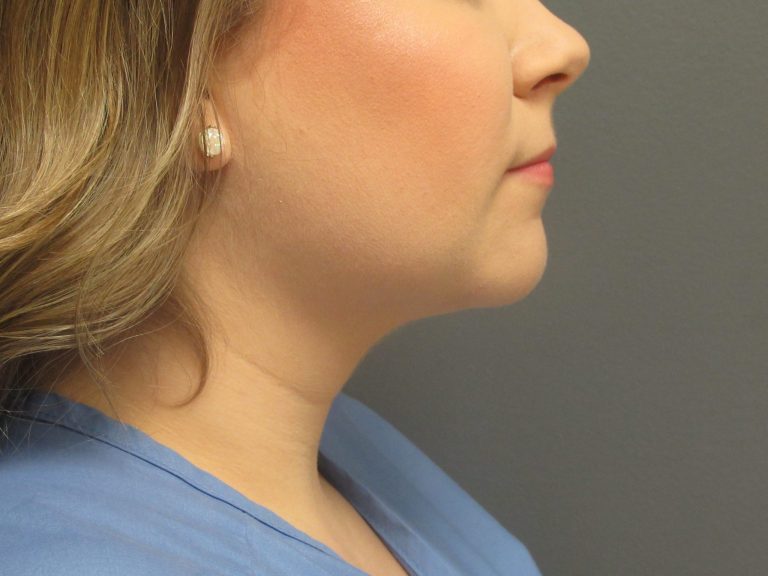
Thinking about liposuction for the first time usually comes with two competing feelings. One is excitement, because you may finally be addressing an area that has resisted careful eating and regular exercise for years. The other is uncertainty, because surgery, even a common procedure, carries real decisions and real consequences. If you are researching Liposuction Farmington Hills options, it helps to approach the process with a clear understanding of what the procedure can do, what it cannot do, and how to judge whether a surgeon and treatment plan are right for you.
Most first-time patients are not looking for a dramatic reinvention. They want a cleaner waistline, less fullness under the chin, a smoother lower abdomen after pregnancy, or better balance between the hips and thighs. Those goals are reasonable, and in many cases achievable, but the best outcomes usually come from patients who understand that liposuction is a contouring procedure, not a substitute for weight loss.
That distinction matters more than many people expect. I have seen people arrive at consultations convinced they need to lose 30 or 40 pounds through liposuction alone. They often leave surprised, not because they were rejected, but because they learned the surgery is better suited to refining shape than changing the number on the scale. When expectations shift from “make me smaller everywhere” to “improve this specific area that has not responded to effort,” the decision becomes much easier to evaluate.
What liposuction actually does
Liposuction removes localized fat deposits through a thin tube called a cannula, which is inserted through small incisions. The surgeon breaks up and suctions out fat in areas where excess volume creates a bulge, heaviness, or disproportion. Common treatment areas include the abdomen, flanks, Liposuction Farmington HIlls thighs, upper arms, back, under the chin, and sometimes the knees or chest.
For the right patient, the improvement can be significant. A lower abdomen that always projects despite stable weight may sit flatter. Love handles may no longer bunch at the waistband. The outer thighs may look less abrupt in fitted clothing. Under the chin, a small amount of fat removal can sharpen the jawline more than patients expect.
What liposuction does not do is tighten severely loose skin, repair separated abdominal muscles, or replace healthy weight management. If skin quality is poor, removing fat can sometimes make laxity more obvious. That is why a careful consultation should include a discussion of skin elasticity, age-related tissue changes, prior pregnancies, weight fluctuations, and whether another procedure, such as a tummy tuck or skin tightening treatment, would better match your goals.
Why first-time patients often choose it
There is a practical reason liposuction remains popular. It targets stubborn areas that behave differently from the rest of the body. Many people maintain a relatively stable weight and still feel frustrated by a single area that dominates how they look in clothes. Men often mention the flanks, lower abdomen, or chest. Women often point to the lower abdomen, inner or outer thighs, bra line, or upper arms. These concerns are common, and they are not necessarily a sign that someone is doing anything wrong.
Genetics plays a large role in where fat is stored and how easily it responds to lifestyle changes. Hormonal changes, aging, pregnancy, and previous weight gain can shift the body’s contours in ways that are hard to reverse completely. A person can be fit, healthy, and still have an area that does not reflect their overall habits. That is where liposuction tends to make sense.
Patients also appreciate that results can be long-lasting if weight remains stable. Fat cells removed from a treated area do not simply grow back in the same quantity. That does not mean future weight gain is impossible, but it does mean the contour improvement can endure for years when supported by sensible habits.
Are you a good candidate?
A good candidate is usually someone close to their goal weight, in generally good health, and bothered by specific pockets of fat rather than overall obesity. Skin quality matters almost as much as the amount of fat present. If the skin still has decent elasticity, it is more likely to contract smoothly after fat is removed. Younger patients often have an advantage there, but age alone is not the deciding factor. I have seen patients in their fifties with excellent skin tone and patients in their thirties with enough laxity to require a more cautious plan.
Smoking status, medication use, medical history, and recovery support at home also affect candidacy. So does mindset. The strongest candidates tend to be people with a stable routine and realistic expectations. They understand that bruising, swelling, and temporary irregularity are part of healing. They are prepared for recovery to be a process, not a weekend transformation.
You may need a different approach if you have significant skin redundancy, major weight instability, uncontrolled medical conditions, or expectations that depend on perfection. Good surgeons do not promise perfection because bodies are not symmetrical to begin with, healing is individual, and even technically excellent procedures involve normal variation.
What to expect during a consultation in Farmington Hills
If you are comparing Liposuction Farmington Hills providers, the consultation tells you far more than a website ever can. This is where you should expect a real examination, not just a sales conversation. A thoughtful surgeon will ask about your weight history, pregnancies if relevant, prior surgeries, medical issues, medications, and exactly what bothers you when you look in the mirror or get dressed.
Then comes the part many patients find surprisingly helpful, physical assessment. The surgeon should evaluate the thickness of the fat layer, the quality of your skin, the natural asymmetries of your body, and whether your goals align with what can safely be achieved. Sometimes patients focus on one area, such as the lower abdomen, while the surgeon sees that the flanks are actually driving the contour imbalance. Treating both areas can produce a much better result than treating one in isolation.
You should also expect straightforward conversation about limitations. If your skin may not tighten enough, say, after weight loss or multiple pregnancies, a responsible surgeon should tell you. If treating too aggressively would create contour irregularities, that should be explained as well. One of the strongest signs of a good consultation is hearing not only what can be done, but what should be done carefully or not at all.
Questions worth asking before you commit
First-time patients sometimes worry about sounding demanding. They should not. This is elective surgery, and good questions are part of good decision-making. A strong consultation should leave you with fewer unknowns, not more.
Here are a few questions that tend to reveal useful information:
- How often do you perform liposuction on the areas I want treated?
- Am I a better candidate for liposuction alone, or would another procedure address skin laxity or muscle separation more effectively?
- What kind of anesthesia will be used, and where will the procedure take place?
- What is the expected recovery timeline for my job, exercise routine, and daily responsibilities?
- What does normal swelling look like, and when should I call your office with concerns?
These questions are simple, but they move the conversation from marketing language to practical planning. They also help you compare surgeons on judgment, not just price.
Areas commonly treated and how results differ
Not all treatment areas behave the same way. The abdomen and flanks often give some of the most visible changes because even a moderate reduction can alter the waistline and how pants fit. The inner thighs can improve comfort and reduce rubbing, but the skin there can be less forgiving. Upper arms may look slimmer, though patients with loose arm skin need an honest assessment or they may trade fullness for laxity. Submental liposuction, which targets fullness under the chin, can create a cleaner neck profile with relatively small volume removal, especially in younger patients with firmer skin.
There is also a meaningful difference between removing fat from a broad area and sculpting a transition zone. Experienced contouring is not only about taking volume away. It is about preserving smooth gradients so the body still looks natural in motion, in different lighting, and in fitted clothing. Over-resection is a real risk in inexperienced hands. Too much removal can create dents, visible waviness, or an unnaturally hollow look that becomes more obvious over time.
That is one reason “more” is not automatically better. In body contouring, restraint often produces the most attractive result.
Understanding the procedure itself
Techniques vary, but many modern liposuction procedures use tumescent fluid, which is injected into the treatment area before fat removal. This fluid helps numb tissue, reduce bleeding, and make fat extraction smoother. Depending on the case, the procedure may be done under local anesthesia with sedation or under general anesthesia. The setting may be an accredited office-based surgical suite or an outpatient surgery center.
Procedure time depends on how many areas are treated. A small under-chin case is very different from circumferential abdominal and flank contouring. Incisions are typically small and placed as discreetly as possible, though no incision is literally invisible. Compression garments are commonly used afterward to support swelling control and tissue adherence during healing.
Patients often ask whether liposuction hurts. During the procedure, pain should be controlled by anesthesia. Afterward, many describe soreness and stiffness more than sharp pain. It can feel similar to a deep bruise or the aftereffects of an intense workout, but over a larger area. The first several days tend to be the most uncomfortable, then the intensity usually decreases steadily.
Recovery is where expectations often need recalibration
This is the part many first-time patients underestimate. Liposuction recovery is usually manageable, but it is not trivial. You may be walking the same day, yet still feel swollen, puffy, and more fatigued than expected. The treated area can look uneven early on, which is normal and often alarming only because patients imagine results will be visible right away in a polished form.
In reality, the recovery arc comes in stages. Early improvement may be hidden by swelling. Bruising fades before the final contour settles. Areas may feel firm, numb, or lumpy for a while. Compression garments, follow-up visits, hydration, light walking, and patience all matter more than people think.
Most patients can return to non-strenuous work within several days to a week, depending on the extent of treatment and the physical demands of the job. More intense exercise may need to wait several weeks. Swelling can persist in a meaningful way for a couple of months, and subtle refinement can continue beyond that. A wedding, vacation, reunion, or photo-heavy event should not be scheduled too close to surgery if you want to enjoy the results rather than manage recovery around them.
What results tend to look like over time
The best liposuction results usually do not announce themselves as surgery. They register as balance. Clothes fit more cleanly. A tucked shirt sits flatter. A blazer skims the waist instead of catching on the flanks. Someone may tell you that you look leaner or more proportionate without being able to name exactly why.
Immediately after surgery, swelling distorts the picture. At a few weeks, patients often get impatient because they can see some change but not the final one. Around the two- to three-month mark, shape usually starts to look more coherent. Fine-tuning can continue after that, especially in larger treatment areas.
Weight stability remains important. If you gain weight later, the body can still enlarge in both treated and untreated areas, though often not in exactly the same pattern as before. Patients who maintain their routine generally preserve their contour well.
Risks and trade-offs that deserve plain language
Every surgery has risks, and it is better to hear them plainly than packaged in vague reassurance. Liposuction can involve bruising, swelling, fluid accumulation, contour irregularities, asymmetry, numbness, delayed healing, infection, and dissatisfaction with the cosmetic result. More serious complications are less common but are the reason surgeon selection, appropriate candidacy, and accredited facilities matter.
There are also non-medical trade-offs. Recovery may interfere with work, child care, exercise, and social plans. Compression garments are not glamorous. Sleeping positions may need adjustment. You may spend several weeks looking worse before you look better. For many patients, that temporary inconvenience is worth it. For some, especially those with unrealistic timelines, it is a source of regret.
One small but important point is scarring. Liposuction scars are usually small, but they are still scars. Most fade well. Some patients, depending on skin type and healing tendencies, may scar more visibly than they expect. A good consultation includes this reality.
Cost, value, and why the lowest quote can be expensive in the long run
Pricing varies by treatment area, surgeon experience, location, facility fees, and anesthesia. Because of that, quoting one standard number is rarely useful. What matters more is understanding what is included and whether the surgical plan reflects your anatomy rather than a generic package.
Low pricing can be appealing, especially if you are comparing several Liposuction Farmington Hills practices. But there is a difference between fair pricing and corner-cutting. Revision liposuction is often harder than primary liposuction because scar tissue, irregularity, and tissue distortion make refinement more difficult. A bargain procedure that leaves you uneven or under-corrected can cost more, financially and emotionally, than choosing the right surgeon the first time.
Value comes from a combination of safety, judgment, technical skill, communication, and follow-up care. If a consultation feels rushed, if the surgeon avoids discussing limitations, or if your questions are repeatedly redirected toward financing instead of planning, treat that as useful information.
Preparing well can improve both experience and outcome
The weeks before surgery are not just administrative. They affect how smoothly recovery unfolds. Medication review, arranging transportation, setting up help at home, and planning time away from heavy obligations can make the first several days much easier. So can practical details, such as having loose clothing available, preparing meals in advance, and understanding exactly how to use your compression garment.
A few habits matter more than patients expect:
- Keep your weight stable in the weeks leading up to surgery.
- Stop smoking or nicotine use as directed by your surgeon.
- Follow medication instructions carefully, especially around blood thinners and supplements.
- Arrange for realistic help during the first few days if you have children or a physically demanding routine.
- Give yourself more recovery time than the minimum, if your schedule allows.
That last point is worth emphasizing. Nearly everyone is happier when they build in a buffer. Recovery rarely follows a dramatic, cinematic timeline. It tends to be steady, imperfect, and much easier when you are not trying to hide swelling under work clothes two days later.
Choosing the right surgeon in Farmington Hills
When people search for Liposuction Farmington Hills providers, they often start with before-and-after photos. That is reasonable, but photos should be only one piece of the decision. Look for consistency across body types, not just a few standout examples. Pay attention to whether contours look natural rather than aggressively hollowed out. If you can, notice how the surgeon handles areas similar to yours.
Credentials and experience matter, but so does communication. You want a surgeon who can explain why one plan fits you better than another, who is willing to say no to an unrealistic request, and who has a follow-up structure that does not disappear once the procedure is booked. The office staff also tells a story. Organized practices usually prepare patients better, and better-prepared patients tend to recover with less anxiety.
Trust your reaction during the consultation. Patients often know when they are being listened to and when they are being processed. Elective surgery should never feel like a pressure sale.
When liposuction is the right move, and when it is not
Liposuction tends to be a strong option when the issue is localized fat, the skin has enough elasticity, and the patient wants contour improvement rather than broad weight reduction. It becomes a weaker option when loose skin is the main complaint, when the patient expects surgery to solve lifestyle issues, or when timing and recovery demands do not fit real life.
Sometimes the best consultation outcome is learning that now is not the right time. A patient planning pregnancy, actively losing weight, or managing a major health issue may do better waiting. That is not a setback. It is good surgical judgment. The aim is not to get to surgery quickly. The aim is to get to surgery when the odds of a satisfying, safe result are strongest.
For first-time patients, that perspective is often grounding. Liposuction is not magic, and it does not need to be. Done well, for the right reason, on the right anatomy, it can be a precise and worthwhile procedure. If you are exploring Liposuction Farmington Hills options, focus on candidacy, surgeon judgment, and recovery planning as much as the result itself. Those are the factors that usually separate a good experience from a disappointing one.
Aesthetic Plastic Surgery & Laser Center, Michelle Hardaway M.D.
27920 Orchard Lake Rd
Farmington Hills, MI 48334
(248) 221-1957
FAQ About Liposuction Farmington Hills
What disqualifies you from getting liposuction in Farmington Hills?
A surgeon may recommend postponing or avoiding liposuction if a health condition, medication, or nicotine use raises the risk of surgery or poor healing. A consultation is needed to assess your medical history and whether the procedure fits your goals.
Can liposuction remove 20 pounds?
Liposuction is a body contouring procedure for localized fat. It is not a weight loss treatment, and a specific number of pounds is not a safe or useful target. The surgeon determines how much can be removed safely for each patient.
What are the risks of liposuction?
Risks include infection, changes in sensation, uneven contours, and complications from anesthesia or blood clots. A plastic surgeon can explain which risks apply to you and what to expect during recovery.